Why Guillermo Del Toro’S Version Of The Hobbit Would Have Been Different
The Divergent Vision: Analyzing Guillermo del Toro’s Conceptualization of The Hobbit
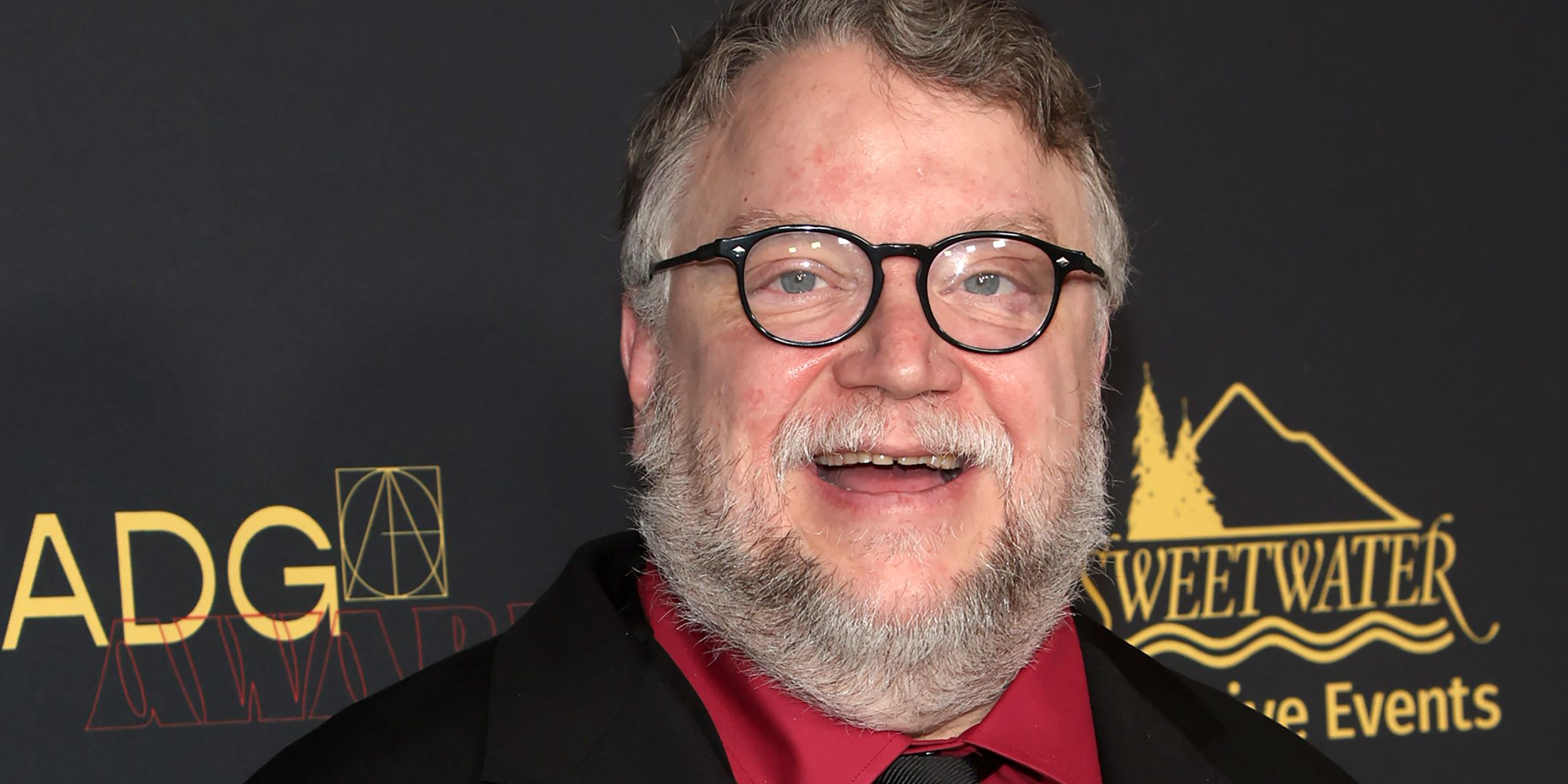
The transition from J.R.R. Tolkien’s 1937 novella to the screen represents one of the most contentious adaptations in the Legendarium. While Peter Jackson eventually delivered a trilogy, the original blueprint under Guillermo del Toro proposed a more streamlined, two-film structure. This approach sought to avoid the narrative bloating that critics later attributed to the three-film expansion.
Del Toro’s primary objective was to establish a distinct aesthetic identity that separated the prequel from the established visual language of the Lord of the Rings trilogy. He intended the first installment to embody the whimsical, fairy-tale quality inherent in the early chapters of the book. This would have created a tonal evolution as the story progressed toward the darker themes of the War of the Five Armies.
To achieve this, the director drew inspiration from early editions of the novel and fan-created artwork rather than relying solely on existing film assets. He specifically aimed to redesign creatures, such as the Wargs, to align with the demon wolves of Norse mythology rather than biological canines. This shift would have emphasized the supernatural elements of Middle-earth.
Why Guillermo del Toro Is One of the Best Storytellers in Film
Pan’s Labyrinth Interview: Ivana Baquero on Making Guillermo del Toro’s Masterpiece at a Young Age
How Guillermo del Toro Made Frankenstein – Film School | Netflix
Why the World Is Obsessed With Guillermo del Toro | The Dark Mind Behind the Monsters
Structural and Narrative Architecture
The Two-Film Framework
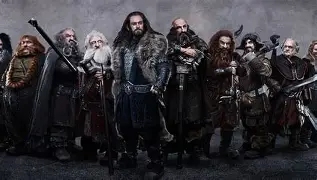
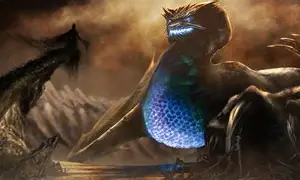
Unlike the eventual trilogy, del Toro’s plan split the narrative into two distinct phases. The first film would have encompassed the majority of the novel’s plot, introducing the company of Thorin Oakenshield and the dragon Smaug. This pacing would have mirrored the tighter narrative arc of the original text.
The second film was designed as a transitional piece, bridging the gap between the quest for Erebor and the events of the Third Age. It would have interweaved the conclusion of the Hobbit’s journey with the activities of the White Council. This integration would have utilized the Appendices of the Lord of the Rings to provide deeper historical context.
Aesthetic Evolution and Technical Execution
Practical Effects vs. Digital Expansion
A hallmark of del Toro’s methodology is his commitment to practical effects and tangible creature design. While the final trilogy relied heavily on CGI, del Toro’s version would likely have featured more physical sets and animatronics. This approach would have grounded the fantasy elements in a more visceral, realistic texture.
The visual trajectory of the two films would have been a gradual merge. The first film’s whimsical style would slowly shift toward the high-fantasy realism of the original trilogy. By the end of the second film, the architecture and creature designs would have aligned perfectly with the established look of the Fellowship of the Ring.
The Influence of the Legendarium
Del Toro’s approach to the Legendarium was filtered through his admiration for Jackson’s previous work, though he sought to add his own visionary layer. He aimed to humanize the characters through a “de-tonal” approach, focusing on the emotional core of the journey. This would have contrasted with the more action-oriented expansion seen in the final films.
The casting strategy also emphasized continuity, with a strong desire to bring back original actors from the first trilogy. This would have ensured a seamless transition for the audience. The result would have been a more cohesive bridge between the two eras of cinematic Middle-earth.
FAQ
How many movies did Guillermo del Toro plan to make?
Guillermo del Toro planned to produce two movies, as he believed any more would result in a bloated narrative.
What was the intended tone of the first film?
The first film was intended to have a fairy-tale aesthetic, distinct from the visual style of the Lord of the Rings trilogy.
How would the Wargs have differed from the final film version?
Del Toro wanted the Wargs to emulate the demon wolves found in Norse mythology rather than looking like real-world wolves.