The Hobbit: Two Films Vs. Three Films Structure: Which Is Better?
The Structural Dichotomy of The Hobbit: Evaluating the Two-Film versus Three-Film Paradigm
The 1937 novel The Hobbit was conceived as a concise children’s narrative, focusing primarily on the internal growth of Bilbo Baggins. Its linear progression from Bag End to the Lonely Mountain allows for a focused character study on the nature of courage. Expanding this singular arc into a cinematic trilogy necessitates a significant departure from the original text’s economy of storytelling.
Peter Jackson’s decision to produce three films shifted the focus from a simple quest to a sprawling epic. This transition required the integration of material from the Appendices of The Lord of the Rings to fill the narrative void. Consequently, the films transformed a whimsical adventure into a prequel for the War of the Ring.
The resulting runtime is a testament to this expansion, with An Unexpected Journey alone clocking in at 03:02:30. This duration indicates a pacing shift that prioritizes world-building over the brisk momentum of the source material. The narrative density increases as the scope widens to include geopolitical conflicts.
One Two Three (2008) – Sunil Shetty, Tushar Kapoor & Paresh Rawal – Hindi Comedy Movie
ONE, TWO, THREE (Masters of Cinema) New & Exclusive HD Trailer
ONE FOUR THREE | Lesbian Feature Film (Full Movie)
THE TAKING OF PELHAM ONE TWO THREE (1974) | Official Trailer | MGM
The Narrative Cost of the Trilogy Structure
Dilution of the Protagonist’s Arc
In the original text, Bilbo’s development is the central axis of the story. The three-film structure, however, introduces unnecessary complexity by diverting attention toward ensemble casts and secondary plotlines. This shift often obscures the intimate nature of Bilbo’s courage.
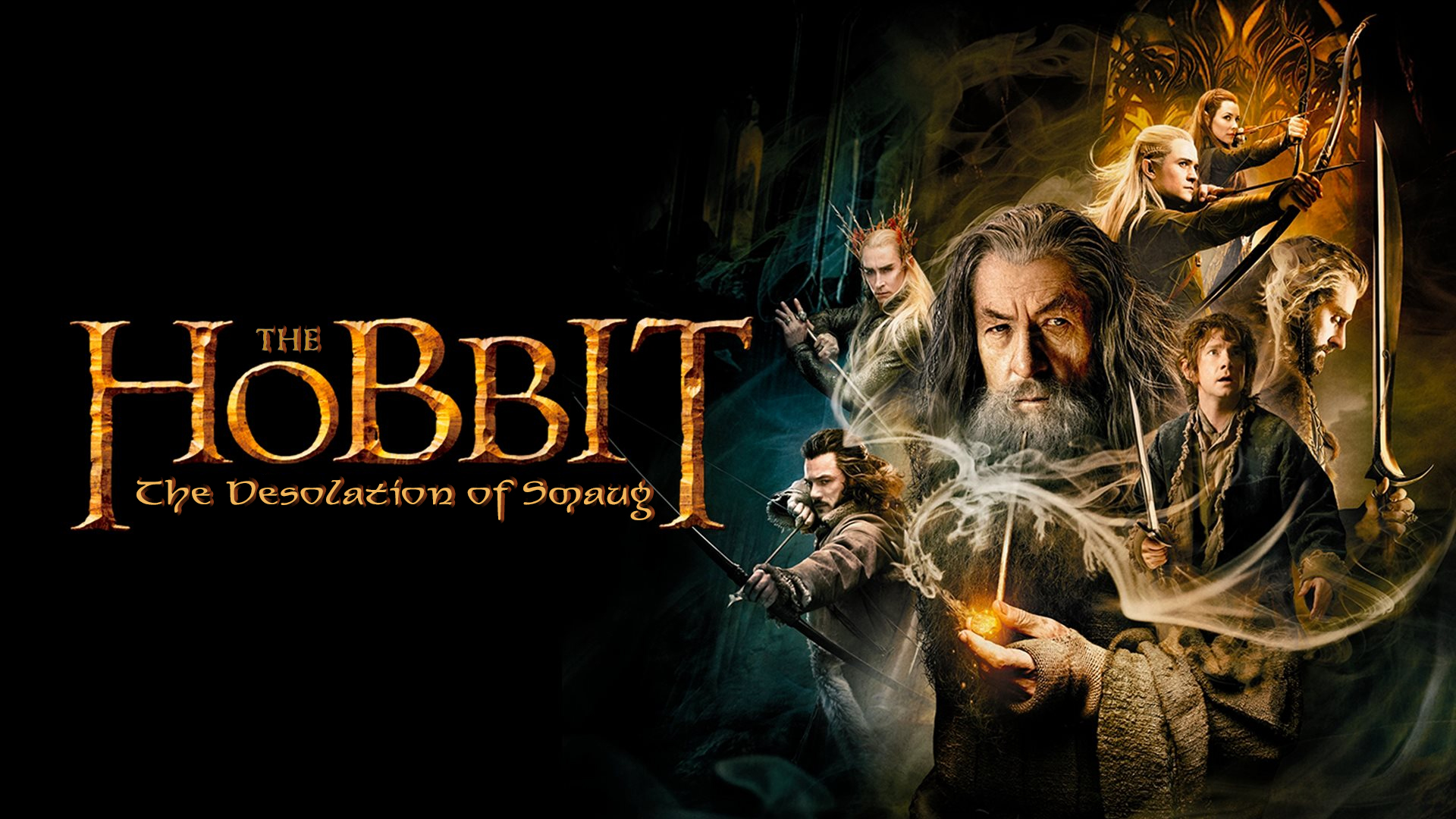
The introduction of characters not present in the novel, such as Tauriel, serves to flesh out the world but disrupts the thematic purity of the quest. These additions create a cinematic experience that caters to fans of the larger Legendarium rather than the specific tone of the 1937 book.
The Justification for Expansion: The Appendices and Lore
Integrating the White Council and Dol Guldur
To sustain three films, the production incorporated the Necromancer and the activities of the White Council. This provides a technical bridge to the events of The Lord of the Rings, grounding the story in a broader historical context. It transforms the quest for Erebor into a strategic piece of a larger puzzle.
The pursuit by Azog and Bolg further adds a layer of antagonism that is absent in the book. While this provides the Battle of the Five Armies with a concrete villain, it alters the nature of the conflict from a dispute over treasure to a blood feud.
Comparative Analysis: Two Films vs. Three
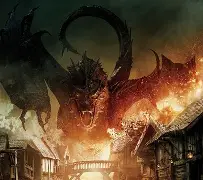
A two-film structure would likely have preserved the narrative momentum of the novel, splitting the story at the arrival at the Lonely Mountain. This would have avoided the perceived bloating of the final act and maintained a tighter focus on the dragon Smaug.
However, the three-film approach allowed for a more detailed exploration of the Lonely Mountain and the surrounding geography. While the pacing suffered, the visual scale of Middle-earth was maximized to a degree impossible in a shorter format.
FAQ
Why was the film series expanded into a trilogy?
The expansion was driven by the desire to incorporate elements from the Appendices of The Lord of the Rings and to create a more epic scale that mirrored the previous film trilogy.
How does the film’s length compare to the book’s pacing?
The films are significantly longer and slower, as evidenced by the first film’s runtime of over three hours, whereas the book is a relatively short, fast-paced adventure.
Which structure is better for a purist of the Legendarium?
A two-film structure would be superior for those prioritizing the original 1937 text, as it would minimize the need for non-canonical additions and maintain the focus on Bilbo’s character development.