What Happened To Guillermo Del Toro’S Lost Hobbit Movies?
The Cinematic Divergence: Analyzing Guillermo del Toro’s Aborted Hobbit Adaptation
Guillermo del Toro was officially appointed to direct the cinematic adaptation of J.R.R. Tolkien’s 1937 novel in April 2008. This appointment aimed to translate the whimsical yet perilous journey of Bilbo Baggins into a visual medium that respected the established continuity of Middle-earth. The project sought to bridge the gap between the singular narrative of the book and the expansive world-building of the Third Age.
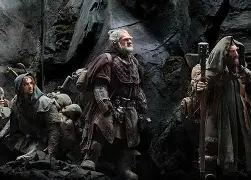
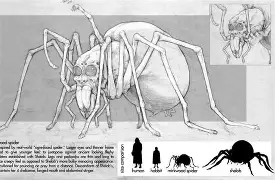
Del Toro’s conceptual approach to the Legendarium differed significantly from the grounded, historical realism utilized in the previous trilogy. He envisioned a visual style that leaned heavily into the “fairy tale” nature of the original text, blending gothicism with poetic beauty. This aesthetic would have emphasized the grotesque and the mystical elements of the journey to the Lonely Mountain.
The development process involved extensive collaboration with Peter Jackson and a dedicated writing team to refine the screenplay. They worked to expand the narrative, moving beyond the singular novel to incorporate deeper lore from the appendices of the later works. This expansion eventually shifted the project from a single film into a two-part cinematic endeavor.
The Heartbreaking Downfall Of Guillermo
Guillermo at the Oscars
Guillermo at the Oscars
💔 Is This the END for Kara & Guillermo?! Shocking Drama Unfolds on 90 Day Fiancé!
The Institutional Collapse: MGM and Production Stagnation
Despite the creative momentum, the project faced severe systemic hurdles due to the financial instability of MGM during the mid-2000s. The studio’s internal fiscal crises created a bottleneck that prevented the project from receiving a formal green light for several years. This administrative paralysis stalled the transition from pre-production to active filming.
The tension between creative readiness and corporate insolvency reached a breaking point in May 2010. While the visual designs and scripts were largely finalized, the production schedule had been pushed back repeatedly to accommodate the studio’s business restructuring. The project remained in a state of limbo while the creative team waited for financial clearance.
Ultimately, the delay became untenable for del Toro, who had allocated a specific window of his career to this undertaking. In May 2010, the same month MGM finally granted the official green light, del Toro departed the project. The scheduling conflicts left him with no viable path to remain as the primary director.
Comparative Analysis: The “Lost” Vision vs. The Final Trilogy
Narrative Scope and Structure
The original 1937 novel is a relatively concise work compared to the later epics. Del Toro’s plan was to expand this into two films, a middle ground between the source material and the eventual three-film structure adopted by Peter Jackson. The final trilogy, released between 2012 and 2014, further expanded the plot by introducing elements like the pursuit by Azog and Bolg.
Aesthetic and Tonal Shifts
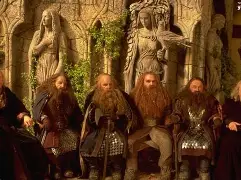
A del Toro-led production would have likely prioritized practical special effects and a darker, more atmospheric palette. While the final films grossed over $2.9 billion worldwide, they maintained a visual continuity with the Lord of the Rings trilogy. Del Toro’s version would have likely diverged, treating the story as a standalone fairy tale rather than a direct visual prequel.
The Role of the Screenplay
It is critical to note that del Toro’s influence persisted in the final product. He is credited as one of the screenwriters for the trilogy, meaning his research and structural contributions remained part of the foundation. The transition to Peter Jackson as director ensured a seamless visual link to the previous films, though it sacrificed the unique gothic lens del Toro would have provided.
FAQ
Why did Guillermo del Toro leave The Hobbit?
He departed in May 2010 primarily due to scheduling conflicts caused by MGM’s financial troubles, which delayed the project’s official green light for years.
Did Guillermo del Toro contribute anything to the released films?
Yes, he is credited as one of the screenwriters, having spent two years collaborating on the scripts and conducting extensive research on the source material.
How did del Toro’s vision differ from Peter Jackson’s?
Del Toro intended to lean into a “fairy tale” aesthetic with a focus on the grotesque and poetic, whereas Jackson maintained the visual and tonal consistency of the Lord of the Rings trilogy.