
The Architectural Style Of Bag End And Hobbit-Holes
Unveiling the Enchanting Architecture of Bag End and Hobbit-holes in J.R.R. Tolkien’s Middle-earth
Introduction: A World Beneath the Hill
Welcome, friends and followers of Middle-earth! As we delve deeper into the lore of J.R.R. Tolkien’s enchanting universe, today we shall embark on a captivating journey through the architectural marvels that are Bag End and the Hobbit-holes. These subterranean dwellings nestled within the rolling hills of the Shire have captured our hearts and sparked wonder since their first appearance in The Hobbit.
Bag End: The Home of Our Dearest Bilbo Baggins
The quintessential Hobbit-hole, Bag End stands as a testament to the architectural genius of the Hobbits and their unique way of life. Located on Bag End Hill, this charming residence boasts a humble yet elegant exterior that belies its spacious interior.
Hobbit-holes: A Hidden World Underneath the Shire’s Hills
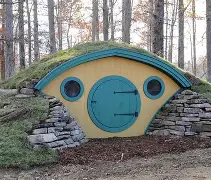
The Hobbit-holes of the Shire are a marvel to behold. Crafted with meticulous care by the skilled hands of the Dwarves and adopted by the Hobbits, these subterranean homes blend seamlessly into the hillsides of Middle-earth.
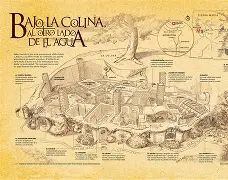
Architectural Features: A Closer Look at the Design
The architectural style of Bag End and the Hobbit-holes is characterized by a combination of simplicity, functionality, and whimsy. These homes feature round doors, curved walls, and hobbit-sized windows, all designed to cater to their diminutive inhabitants.
- Round Doors: A hallmark of Hobbit architecture, these doors are large enough for the Hobbits to comfortably walk through while being small enough to keep out unwanted intruders.
- Curved Walls: The curved walls of Hobbit-holes help create a cozy and welcoming atmosphere. They also serve a practical purpose, as they require fewer straight lines and right angles, making construction more efficient.
- Hobbit-Sized Windows: Tiny windows adorn the hobbit homes, allowing just enough light to filter in while providing privacy and protection from the elements.
The Influence of Dwarves: A Collaborative Effort
It is worth noting that the Hobbits did not create their homes in a vacuum. The architectural style of Bag End and the Hobbit-holes was heavily influenced by the Dwarves, who were skilled stoneworkers and miners. This collaboration between the two races resulted in the stunning homes we see today.
Conclusion: A Tribute to a Timeless Legacy
The architectural style of Bag End and the Hobbit-holes serves as a testament to the richness and depth of J.R.R. Tolkien’s Middle-earth. These charming dwellings, with their whimsical design and functional elements, invite us into a world that has captured our hearts for generations. As we continue our journey through this enchanting universe, let us remember the importance of collaboration, craftsmanship, and the pursuit of comfort in the homes we build.
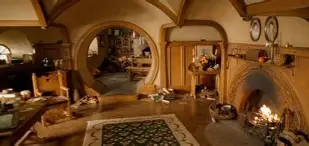
Bonus Content: The Making of Bag End and Hobbit-holes in Film
For those of you who are interested in the production history of Middle-earth, let us take a moment to discuss the creation of Bag End and the Hobbit-holes in Peter Jackson’s epic film trilogies.