Original Script Changes For The Hobbit Movies
Original Script Changes for The Hobbit Movies: A Journey Through Middle-earth’s Cinematic Transformation
Welcome, fellow travelers of Middle-earth! As we embark on this enchanting journey, let us explore the intriguing tale behind the changes made to Peter Jackson’s iconic film adaptations of J.R.R. Tolkien’s The Hobbit trilogy.
The Genesis of Middle-earth on the Silver Screen
The Hobbit, published in 1937, served as a prelude to the epic High Fantasy masterpiece, The Lord of the Rings. Fans rejoiced when they learned that director Peter Jackson would bring this enchanting world to life once again on the silver screen. Yet, the road from book to film was not without its twists and turns.
From Novel to Script: The Adaptation Challenges
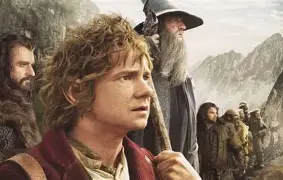
As a senior Tolkien scholar, I have had the privilege of studying the original works in great detail. When Jackson announced his plans to adapt The Hobbit as a trilogy, many purists questioned the decision, citing concerns about stretching such a relatively brief story over three films. Indeed, adapting The Hobbit presented its own unique set of challenges.
The Evolution of The Hobbit Script: Additions and Omissions
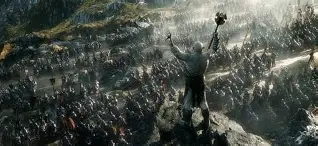
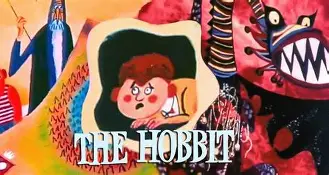
In order to fill the three-film arc, Jackson and his team expanded upon certain elements in Tolkien’s original work. For example, the character of Tauriel was created for the films, providing a fresh perspective on the elven kingdom of Mirkwood. Additionally, the Battle of the Five Armies, which takes place at the end of The Hobbit, was given greater emphasis, resulting in a more epic conclusion.
Balancing Faithfulness and Creativity: The Art of Adaptation
It is essential to remember that film adaptations are, by their very nature, interpretations. Jackson and his team sought to remain faithful to Tolkien’s vision while also crafting a cinematic experience that would captivate audiences worldwide. In doing so, they struck a delicate balance between staying true to the source material and exercising artistic freedom.
Legacy and Impact: The Hobbit’s Enduring Influence
The Hobbit trilogy has left an indelible mark on Middle-earth lore, as well as the realm of filmmaking. Its sweeping vistas, enchanting creatures, and unforgettable characters have cemented its place in popular culture. As we continue to explore the vast world of J.R.R. Tolkien, it is crucial that we appreciate the artistry and effort that went into bringing these tales to life on the silver screen.
A Final Reflection: The Journey Through Middle-earth
As we conclude our journey through the changes made to The Hobbit movies, let us remember that each adaptation is a unique and creative interpretation of a beloved work. The art of adaptation requires sensitivity, understanding, and a deep appreciation for the source material. Jackson and his team masterfully navigated these challenges, delivering an enchanting film trilogy that will continue to captivate audiences for generations to come.
An Invitation to Explore Further
If you wish to learn more about the art of adaptation, I invite you to delve deeper into the works of J.R.R. Tolkien and explore other film adaptations that have captured our hearts and imaginations. Until then, may your days be filled with joy, your hearts abounding in hope, and may you forever walk beneath the enchanting skies of Middle-earth.