
The Secret Meaning Behind The Names Of The 13 Dwarves
The Secret Meaning Behind the Names of the 13 Dwarves

Introduction
In the vast and enigmatic world of Middle-earth, one group has captured the hearts of countless readers and viewers for generations: the dwarves. Among them, the 13 dwarves who accompanied Thorin Oakenshield on his quest to reclaim Erebor from Smaug stand out as some of the most memorable characters.
The Secrets of the Dwarves
As we delve deeper into Middle-earth lore, it becomes increasingly apparent that the dwarves are a secretive people. Their language, their names, and even their women remain hidden from all but themselves.
The Language of the Dwarves
The written and spoken language of the dwarves is known as Kuzdul, a testament to the divine craftsmanship of Aule, one of the Valar. Its origins differ from any form of Elvish, further emphasizing the dwarven propensity for secrecy.
The Names of the Dwarves
Every well-known dwarf name, from Thorin to Balin, is not a Kuzdul name. These are simply names they took in the northern Manish tongue. The true names of the dwarves remain a mystery, even to themselves when engraving tombs in their realms.
The Meaning Behind the Names
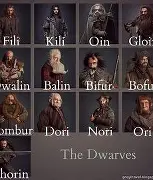
Though we may never know the true Kuzdul names of the 13 dwarves, we can explore possible meanings behind the names they took. Here’s a list of the 13 dwarves and their Manish names:
- Thorin Oakenshield: Thorin is derived from ‘Þóri’, meaning ‘thunder-stone’ in Old Norse. Oakenshield likely refers to his leadership and resilience.
- Balin: Balin means ‘traveller’ or ‘wanderer’ in Old English, fitting for a dwarf who ventured far from the Lonely Mountain.
- Dwalin: Dwalin is derived from ‘Dvalinn’, a name of the dwarves in Norse mythology, which means ‘sluggish’. It may represent a contrast between strength and humility.
- Dori: In Old English, Dori means ‘door-keeper’. This could symbolize Dori’s role as the gatekeeper of the Lonely Mountain.
- Nori: Nori is derived from ‘nornir’, meaning ‘fate’ in Old Norse. This may reflect the fate that binds the dwarves together on their journey.
- Ori: Ori means ‘dwarf’ in Old English, emphasizing his identity as a member of the dwarven race.
- Bombur: Bombur means ‘fat’ or ‘plump’ in Old Norse. This may be a playful reference to his physical appearance.
- Bifur: Bifur is derived from ‘bjofur’, meaning ‘lord’ or ‘master’ in Old Norse. This could symbolize his status as one of the dwarven leaders.
- Bofur: Bofur means ‘counselor’ or ‘advisor’ in Old Norse, reflecting his role within Thorin’s company.
- Nori: The second Nori is also named for ‘nornir’, meaning ‘fate’. This could represent the idea that fate binds them together on their journey.
- Gloin: Gloin means ‘famous’ or ‘renowned’ in Old English, emphasizing his status as a respected member of Thorin’s company.
- Dori: The second Dori is named for ‘dwar’, meaning ‘hill’ or ‘mound’. This could symbolize the dwarves’ connection to the earth and mountains.
- Óin: Óin means ‘gold’ in Old Norse, representing the treasure-seeking nature of the dwarves.

Conclusion
Though we may never know the true Kuzdul names of the 13 dwarves, exploring the potential meanings behind their Manish names offers fascinating insights into their identities and roles within Middle-earth. As we delve deeper into the lore, we are reminded that the dwarves remain one of the most enigmatic and captivating races in J.R.R. Tolkien’s epic universe.