The Influence Of Beowulf On J.R.R. Tolkien Writing
The Influence of Beowulf on J.R.R. Tolkien’s Writing
Introduction
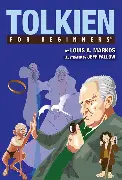
J.R.R. Tolkien, often referred to as the “father of fantasy,” created an indelible mark on modern literature with his epic masterpiece, The Lord of the Rings. Published between 1954 and 1955, this monumental work reshaped the fantasy genre by establishing the form of high or epic fantasy, set in a secondary world through a process Tolkien termed “mitopoetics.” Its expansive narrative, heroic characters, vast geography, intricate backstory, and epic battles captured the imagination of readers worldwide.
The Impact of Beowulf on Middle-earth
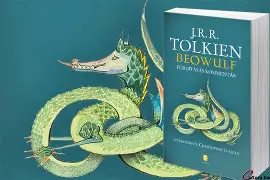
Tolkien’s professional expertise in Old English literature, particularly Beowulf, significantly influenced his creation of Middle-earth. This ancient epic poem left an enduring impact on the world Tolkien crafted, from its mythology to its richly detailed geography and diverse races.
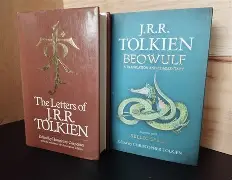
Tolkien’s masterpiece stands out for its rich history and numerous subplots, which drew inspiration from Beowulf. The theme of a journey, filled with adventure and personal growth, can be traced back to this ancient epic. Furthermore, the presence of multiple intelligent races and monstrous foes, as well as powerful talismans, reflects the influence of Beowulf on Tolkien’s writing.
An Echo in Fantasy Literature
The success of The Lord of the Rings demonstrated that fantasy was a distinct and commercially viable genre. This paved the way for numerous works of fantasy that either imitated Tolkien’s style or reacted against it. One such early example is Ursula K. Le Guin’s Earthsea series, which began in 1968 and employed Tolkienesque archetypes, such as magicians, dispossessed princes, magical rings, journeys, and dragons.
Following in Le Guin’s footsteps were authors such as Stephen R. Donaldson and Philip Pullman, who created intentionally non-tolkienesque fantasies. Donaldson’s protagonist was decidedly unlikable, while Pullman, a critic of The Lord of the Rings, offered a different perspective on the purpose of life.
The Legacy of Middle-earth
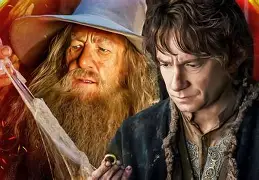
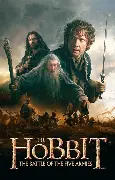
As the fantasy genre flourished, it expanded beyond literature to encompass film, role-playing games (RPGs), and video games. The Lord of the Rings trilogy by Peter Jackson brought a new generation of readers to Tolkien’s work, while gaming platforms like Dungeons & Dragons (1974) and various Middle-earth-inspired games showcased the versatility and enduring appeal of Tolkien’s fantastical world.
Tolkien’s artistic collaborators, such as John Howe, Alan Lee, and Ted Nasmith, became renowned as “Tolkien artists.” Their illustrations brought Middle-earth to life for millions of readers worldwide.
Conclusion
J.R.R. Tolkien’s work has left an indelible mark on the fantasy genre, inspiring countless works of literature, film, and art. The influence of Beowulf, in particular, can be seen throughout his epic masterpiece, The Lord of the Rings. As we continue to explore and enjoy these fantastical worlds, it is essential to recognize the foundational role that Tolkien played in shaping the genre we know and love today.