The Evolution Of The One Ring In Tolkien Books
The Evolution of the One Ring in Tolkien’s Books
Introduction: The Inception of a Legendary Artifact
In the timeless realm of Middle-earth, J.R.R. Tolkien crafted an epic saga that would forever change the landscape of fantasy literature – The Lord of the Rings. Published between 1954 and 1955, this monumental work significantly impacted the world of storytelling, establishing a new standard for high or epic fantasy, set in a secondary world created through mythopoeia.
Development: The Ring that Rules them All
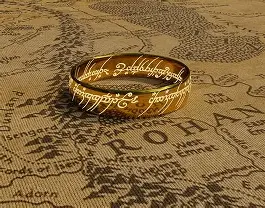
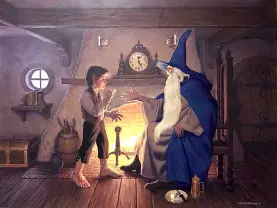
The One Ring, a potent talisman at the heart of this magnificent tale, was forged by the Dark Lord Sauron to enslave Middle-earth. Its creation and subsequent journey are deeply intertwined with the fates of countless beings, from hobbits to elves, dwarves, and men.
Influence: A New Age of Fantasy
Tolkien’s masterpiece sparked a revolution in fantasy literature, inspiring countless writers to create their own epic tales. Ursula K. Le Guin’s Earthsea series, debuting in 1968, was one of the first works to follow in Tolkien’s footsteps, drawing on archetypes from Middle-earth, such as magi, a disinherited prince, a magical ring, a journey, and dragons.
Adaptation: Middle-earth Comes to Life
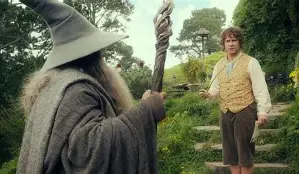
The influence of Tolkien extended beyond the pages of his books, reaching the realm of cinema with Peter Jackson’s The Lord of the Rings film trilogy (2001–2003). These adaptations introduced a whole new generation to the richness and complexity of Middle-earth, further cementing Tolkien’s legacy as the father of modern fantasy.
Conclusion: A Timeless Legacy
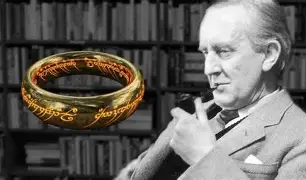
Tolkien’s creation of Middle-earth and the One Ring has left an indelible mark on the world of fantasy literature. The stories born from this richly imagined world continue to captivate audiences, inspiring new generations to delve into the depths of this magical realm.