The Hobbit: Book Accuracy Vs. Cinematic Changes
The Hobbit: Book Accuracy vs. Cinematic Changes
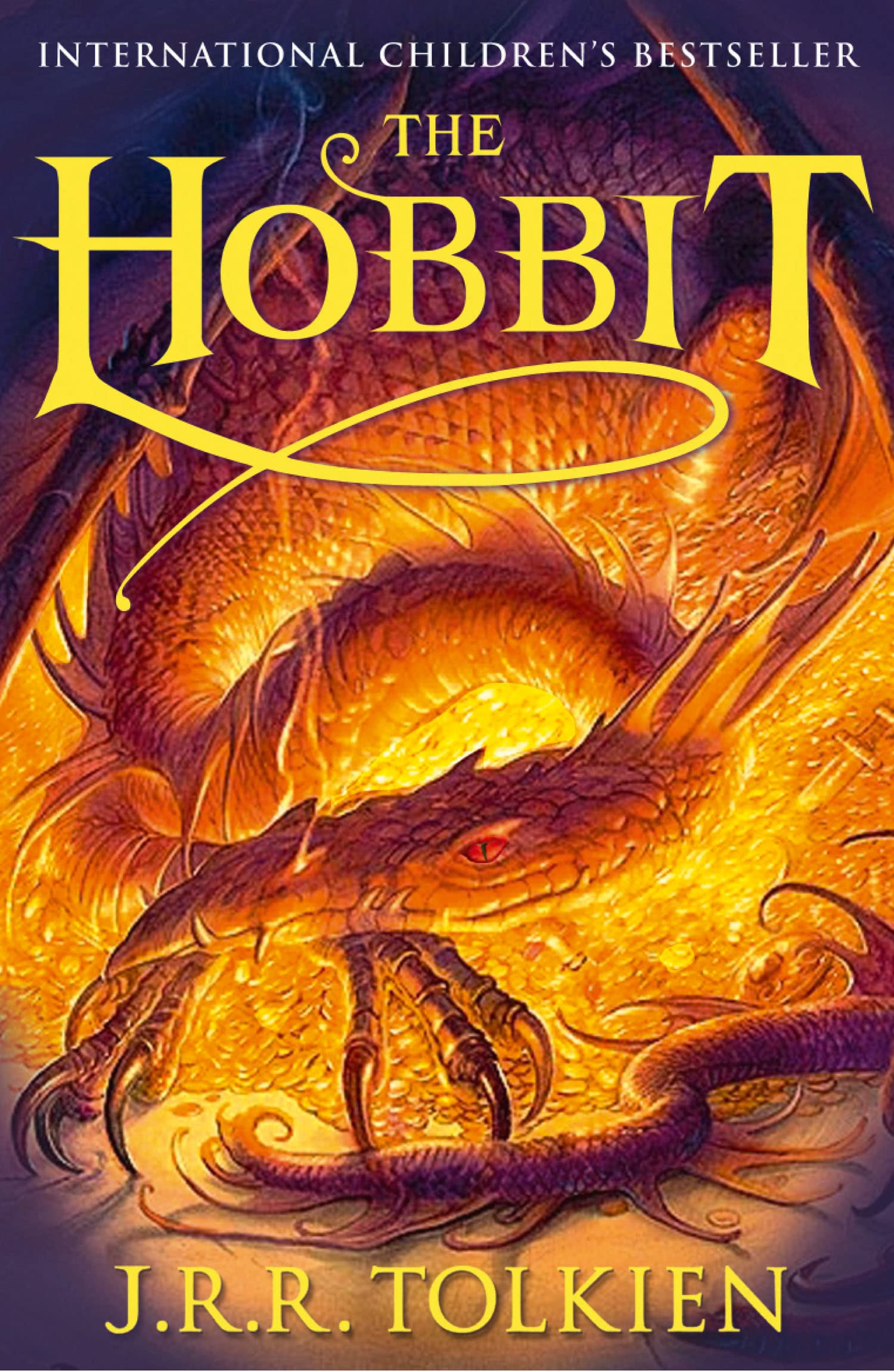
The transition of J.R.R. Tolkien’s The Hobbit from a singular children’s novel to a cinematic trilogy represents a fundamental shift in narrative intent. While the original text functions as a fairy tale with darker undertones, Peter Jackson’s adaptation prioritizes the spectacle of a modern blockbuster. This divergence is evident in the pacing and the thematic weight assigned to various plot points.
A primary point of contention for scholars is the inflation of the antagonist Azog the Defiler. In the written canon, Azog’s demise occurred long before the quest began during the Battle of Azanulbizar. The films, however, resurrect him as a primary antagonist to provide a consistent physical threat throughout the three films.
Similarly, the introduction of Tauriel serves as a significant departure from the source material. As an original character, her romantic entanglement with Kíli introduces a dynamic that is virtually absent from the Legendarium. Tolkien’s works rarely, if ever, depicted amorously entangled elves and dwarves.
HBO’s New Harry Potter: Darker & Book-Accurate 🎬 #harrypotter
Momoa reveals the ultimate book-to-movie accuracy!
When Accuracy Isn’t the Issue | Wuthering Heights
New Harry Potter Cast vs. Book Accuracy: What Happened? ⚡️# subscribe the channel
Character Evolution and Divergence
The Arc of Bilbo Baggins
Bilbo Baggins undergoes a distinct evolution in the novel, characterized by a gradual transition from reluctance to courage. In the cinematic version, Bilbo is depicted as more proactive and decisive from the outset. This change diminishes the subtle nuances of his personal growth and self-discovery.
The Invention of Tauriel
The romance between Tauriel and Kíli is often viewed as a forced addition to appeal to a wider audience. While inter-species romances like that of Aragorn and Arwen exist in the Third Age, the Elf-Dwarf pairing is a stark divergence. This subplot adds emotional depth at the cost of historical and lore accuracy.
Structural and Narrative Alterations
Expansion of Source Material
The decision to expand a single novel into three films released between 2012 and 2014 necessitated the inclusion of supplementary content. This led to the elevation of minor incidents into epic battle sequences. The final confrontation with Smaug is transformed from a tactical encounter into a massive cinematic showdown.
Faithful Adaptations
Despite these changes, certain sequences remain remarkably faithful to the text. The “Good Morning” exchange and the Unexpected Party capture the essence of the book’s whimsical nature. Furthermore, the portrayal of Rivendell and the “Riddles in the Dark” sequence align closely with the author’s vision of Middle-earth.
Technical Analysis of the Adaptation
Tone and Genre Shift
The films lean heavily into complex political intrigues and large-scale warfare, which are largely absent from the original novel. This shift alters the story’s tone from a personal journey of a small hobbit to an epic struggle for power. Consequently, the simplicity and charm of the book are often sacrificed for cinematic grandeur.
The Role of the Antagonist
By elevating Azog to a primary villain, the films create a sense of urgency that the book handles through environmental hazards and internal conflict. This change alters the motivations of Thorin Oakenshield, shifting his focus toward a personal vendetta. In the novel, the primary conflict is the reclamation of the Lonely Mountain and the struggle against dragon-sickness.
FAQ
Why was Azog the Defiler’s role changed in the movies?
The filmmakers elevated Azog to a primary antagonist to provide a consistent, physical threat and a sense of urgency throughout the trilogy, whereas in the book, he had died years prior.
Is the character of Tauriel present in Tolkien’s books?
No, Tauriel is an original character created specifically for the film trilogy to expand the role of elves and introduce a romantic subplot.
How does Bilbo’s characterization differ between the book and film?
In the book, Bilbo’s growth is a gradual process of self-discovery; in the films, he is more proactive and decisive from the beginning of the journey.