The Psychological Reason Why Bilbo Didnt Kill Gollum
The Psychological Reason Why Bilbo Did Not Kill Gollum: A Deep Dive into Middle-earth’s Most Puzzling Decision

Introduction
In the epic saga of Middle-earth, the tale of Bilbo Baggins and the One Ring is riddled with enigmas. Among these intricacies, one of the most perplexing decisions made by our beloved hobbit concerns Gollum: why did Bilbo not kill him when he had the chance? In this article, we delve into the depths of J.R.R. Tolkien’s lore and the production history of Peter Jackson’s films to unravel the psychological reasons behind this seemingly inexplicable act.
The Psychological Bind: Love, Hate, and the Ring
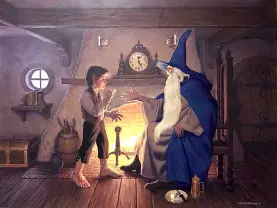
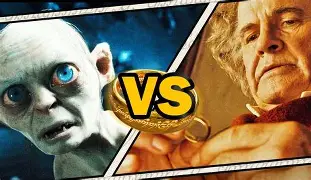
During their encounter in the depths of Moria, Gandalf shares insight into Gollum’s tortured psyche. He explains that Smeagol, once a friend to Déagol before the ring corrupted him, is now trapped by his love and hate for the ring. This psychological bind mirrors Bilbo’s own struggle with the ring throughout The Hobbit:
He hates and loves the ring. As he hates and loves himself.

This profound statement highlights the psychological torment that both Bilbo and Gollum experience due to their connection with the ring. In this context, it becomes clear that Bilbo’s mercy towards Gollum is rooted in his understanding of the ring’s power to corrupt and enslave its bearer.
A Pity for Gollum: The Fate of Middle-earth
Gandalf warns that Bilbo’s pity may rule the fate of not only Gollum but also himself. This notion is echoed in his poignant reflection upon finding the ring:
So do all who live to see such times. But that is not for them to decide. All we have to decide is what to do with the time that has been given us.
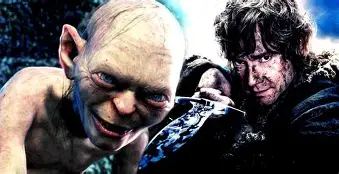
By choosing not to kill Gollum, Bilbo is ultimately deciding how he will use his precious time. This decision is crucial in the grand scheme of Middle-earth’s fate, as it allows the ring to be carried further along its perilous journey.
Conclusion
Bilbo Baggins’ decision not to kill Gollum is a testament to his compassion and humanity in the face of immense temptation. This choice, driven by a profound understanding of the ring’s power and its effect on its bearers, ultimately sets the stage for Frodo’s heroic quest and the ultimate destruction of the One Ring.
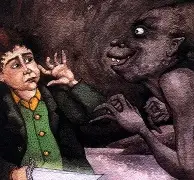
As scholars and fans of Middle-earth continue to unravel its complexities, the psychological reasons behind Bilbo’s decision not to kill Gollum stand as a poignant reminder of the power of compassion, mercy, and choice in the face of darkness.