How Tolkien Created The Hobbit Language And Names
How J.R.R. Tolkien Created the Hobbit Language and Names
The Genesis of Middle-earth’s Linguistic Marvel
As the foremost scholar and creator of the fantastical realm of Middle-earth, J.R.R. Tolkien was no stranger to crafting rich, complex languages that breathed life into his elven, dwarvish, and hobbit denizens. Yet none were more beloved or enduring than the tongue of the Hobbits themselves – the Westron, better known as the Shire-speech or Common Speech.
The Roots of a Timeless Tongue
The foundations of the hobbit language were laid during the early days of Middle-earth’s history, when the First Age was still young. At that time, Tolkien devised several “Elvish” languages for his Elves, including Quenya and Sindarin, which would later evolve into the Westron.
The Shaping of a Language for Hobbits
In crafting the Westron, Tolkien sought to create a language that was distinct from both Elvish and human tongues, reflecting the unique culture and history of the Hobbits. He envisioned their speech as having evolved over centuries in the quiet seclusion of the Shire.
The Influence of Old English on Westron
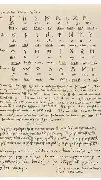
To achieve this goal, Tolkien drew heavily from the vocabulary and grammar of Old English, a language that had long fascinated him. This choice was not arbitrary: Old English was spoken by the Angles, Saxons, and Jutes – the ancestors of the Hobbits’ human neighbors in Middle-earth.
The Importance of Simplicity and Humor
In addition to its roots in Old English, the hobbit language is characterized by a distinct simplicity and humor that reflects the Hobbits’ easygoing nature. Tolkien himself described Westron as a “language of the people,” emphasizing its everyday use among the common folk of the Shire.
The Names that Define Hobbits
Just as he did with the language itself, Tolkien carefully crafted the names of his hobbit characters. Many of these names are derived from Old English words or elements, reflecting the influence of that language on Westron. For example, “Frodo” comes from the Old English word “frōd,” meaning “wise.”
The Legacy of Tolkien’s Linguistic Masterpiece
Today, the hobbit language and names continue to captivate readers and scholars alike, serving as a testament to Tolkien’s genius for creating immersive, believable worlds. As we delve deeper into Middle-earth, we can only marvel at the intricacy and beauty of the languages that bring its inhabitants to life.